 Genzee
The GenzeeLogics blog
Plain-English, evergreen guides to the maths behind everyday money, health and tech decisions — each one paired with a free tool that does the arithmetic for you.

What Does Gen Z Mean? The Definition, Explained Simply
Gen Z means the generation born roughly between 1997 and 2012 — but who decided that, where did the name come from, and what actually makes a generation?

Gen Z Birth Years: What Dates Actually Count as Generation Z?
The short answer is 1997 to 2012 — but plenty of sources say 1995, or 1996, or 2010. Here is why the disagreement exists and which years are safest to use.

Gen Z vs Gen Alpha vs Millennials vs Boomers: The Real Differences
Birth years, formative technology, and the events each cohort actually lived through — a side-by-side comparison without the stereotypes.

Gen Z Strengths and Weaknesses: What the Research Actually Shows
Beyond the "lazy" and "digital native" clichés — what large surveys and studies actually find about this cohort, including where the popular narrative is wrong.

Rental Property Investing 101: What Rental Yield Actually Tells You
Rental yield is the most-quoted number in property investing, but gross and net yield can tell very different stories about the same property. Here is how to read it properly.

The 50/30/20 Budget Rule Explained: Does It Still Work in 2026?
The 50/30/20 rule splits income into needs, wants and savings. It is simple to apply — but rising living costs have made the split harder to actually hit for many people.

How to Calculate Your Net Worth (And Why It Matters More Than Your Salary)
Salary measures income. Net worth measures actual financial position — and the two can tell very different stories about the same person.

What Is Your FIRE Number? A Plain-English Guide to Early Retirement Math
FIRE — Financial Independence, Retire Early — comes down to one number: how big a portfolio you would need to stop needing a paycheck. Here is how it is actually calculated.
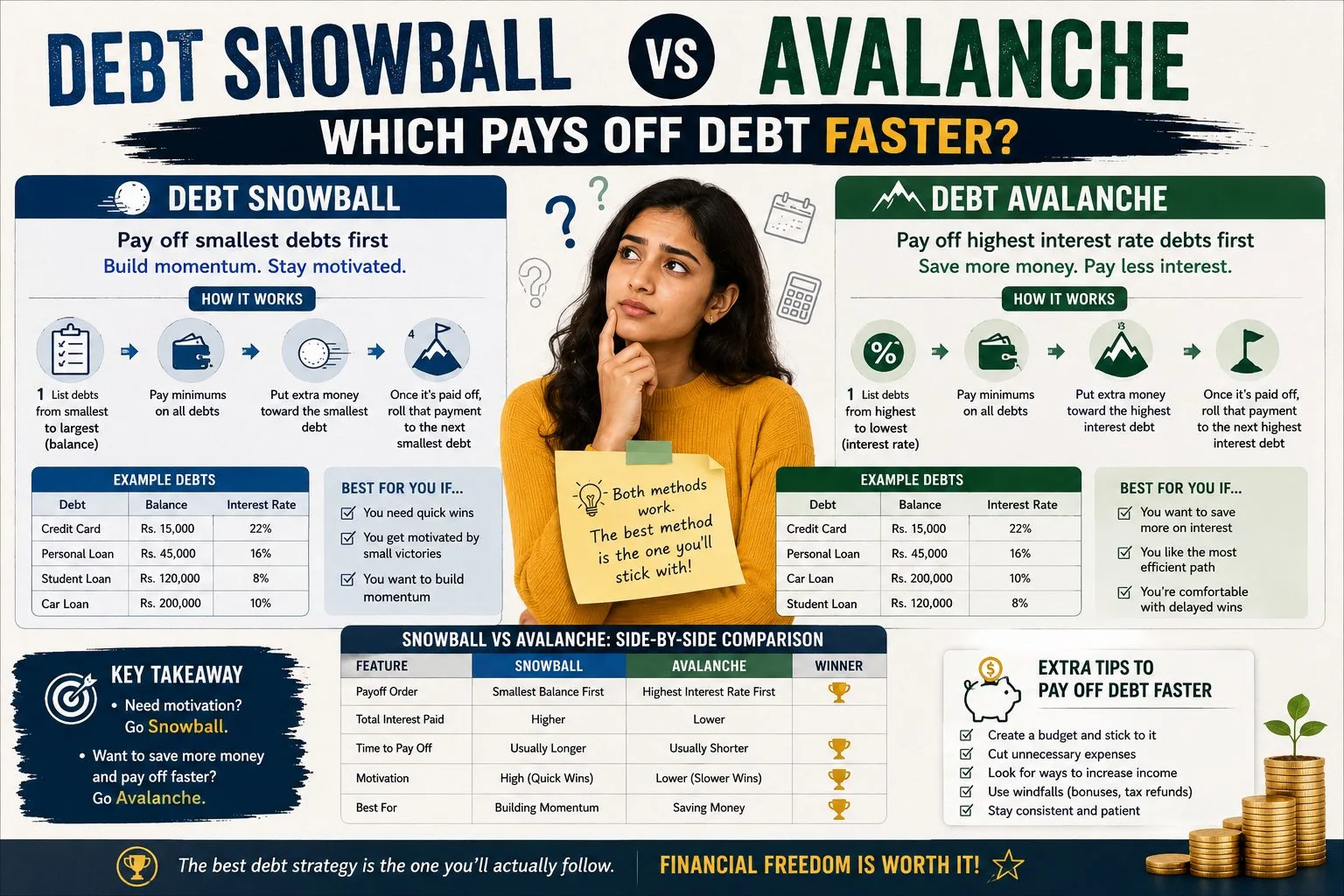
Debt Snowball vs. Avalanche: Which Payoff Method Actually Saves More
Two popular strategies for paying off multiple debts give very different results — one saves more money, the other is easier to stick with. Here is the actual math.

Gen Z and the Side Hustle Boom: Why 58% Have a Second Income
More than half of Gen Z now earns money outside a main job. Here is what "income stacking" actually looks like, and what it means for how you budget.

Time and a Half, Explained: How Overtime Pay Actually Gets Calculated
Overtime math looks simple until your payslip does not match what you expected. Here is exactly how the calculation works, and where mistakes happen.

What Inflation Really Does to Money You Are Not Investing
Cash sitting in a low-interest account feels safe, but it can quietly lose real value every year. Here is the actual math behind purchasing-power erosion.

How to Actually Price Your Freelance Rate (Not Just Salary ÷ Hours)
Dividing a target salary by 2,080 working hours is the single most common freelance pricing mistake — and it undercharges by a wide margin. Here is the real math.

How Big Should Your Emergency Fund Actually Be?
The standard advice is "3 to 6 months of expenses" — but that range hides a lot of nuance depending on how stable your income actually is.

How Inflation Quietly Shrinks Your Salary (And How to Check Yours)
Real vs nominal wage growth explained, how to adjust a raise for inflation, and a quick way to estimate lost purchasing power.

Markup vs. Margin: The Pricing Mistake That Costs Small Businesses Money
A 50% markup and a 50% margin are not the same thing — and confusing them can leave real money on the table. Here is the difference, with numbers.

Rent vs Buy in 2026: The Real Math Behind the Decision
Opportunity cost of a down payment, maintenance costs, the value of mobility, and break-even thinking for the rent vs buy decision.

How Loan Amortization Actually Works (And Why Early Extra Payments Matter More)
Every fixed loan payment splits between interest and principal — and that split shifts dramatically over the life of the loan. Here is why it matters for how you pay extra.

The Side Hustle Tax Trap: What Freelancers and Creators Owe
Freelance and creator income is usually taxable even without a payslip. How to set aside the right percentage, with a note for Pakistan.

Why Your Storage Never Quite Matches What You Bought: GB vs. GiB Explained
A "1TB" drive shows up as roughly 931GB on your computer — and no data is missing. The explanation is two different, both legitimate, ways of counting bytes.

Investing for Beginners: Index Funds, Risk and Starting Small
Index funds vs picking stocks, diversification, risk tolerance, dollar-cost averaging, and why starting early beats starting big.
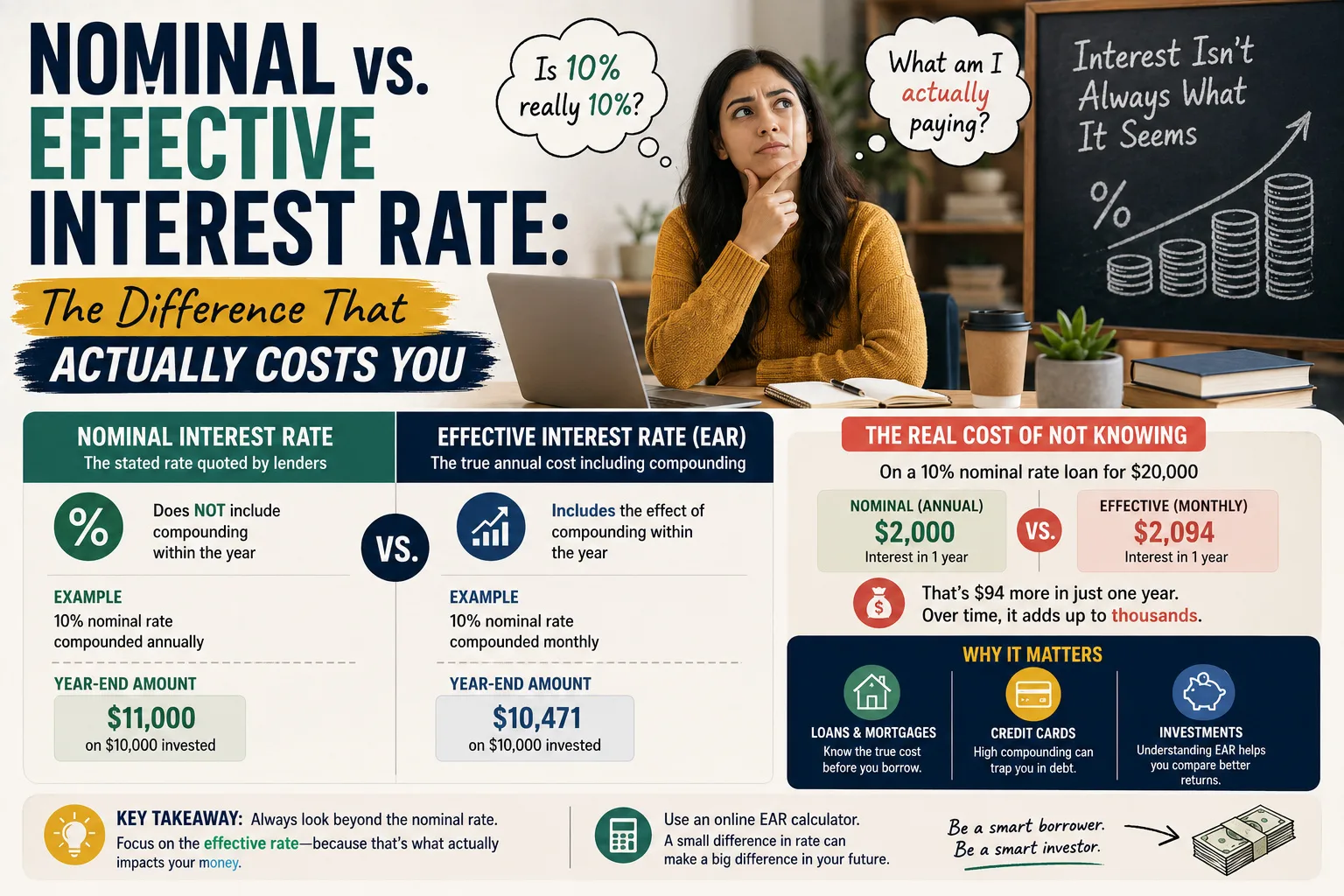
Nominal vs. Effective Interest Rate: The Difference That Actually Costs You
Two loans quoting the identical interest rate can cost meaningfully different amounts, depending on how often that rate compounds. Here is why.

What Is a Credit Score and How Do You Actually Build One?
How credit scores are actually calculated: payment history, utilization, length of history, inquiries, and common beginner mistakes.

Student Loans 101: How Repayment and Interest Actually Work
How student loan interest, capitalization and repayment plans actually work, with a worked example. General, not tied to one country.
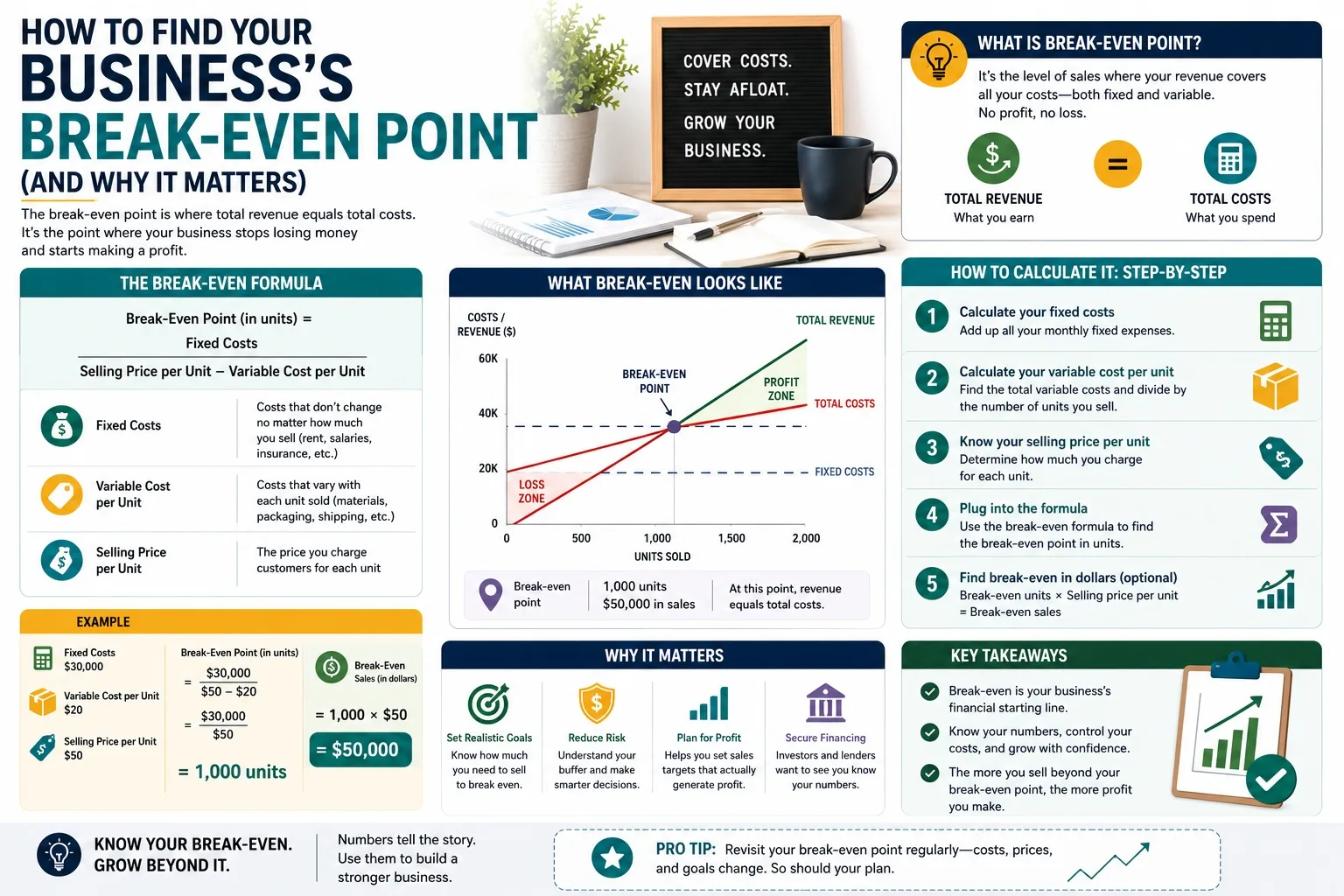
How to Find Your Business's Break-Even Point (And Why It Matters)
Before asking whether a business or product idea will be profitable, the more useful question is: how much do you actually need to sell just to stop losing money?
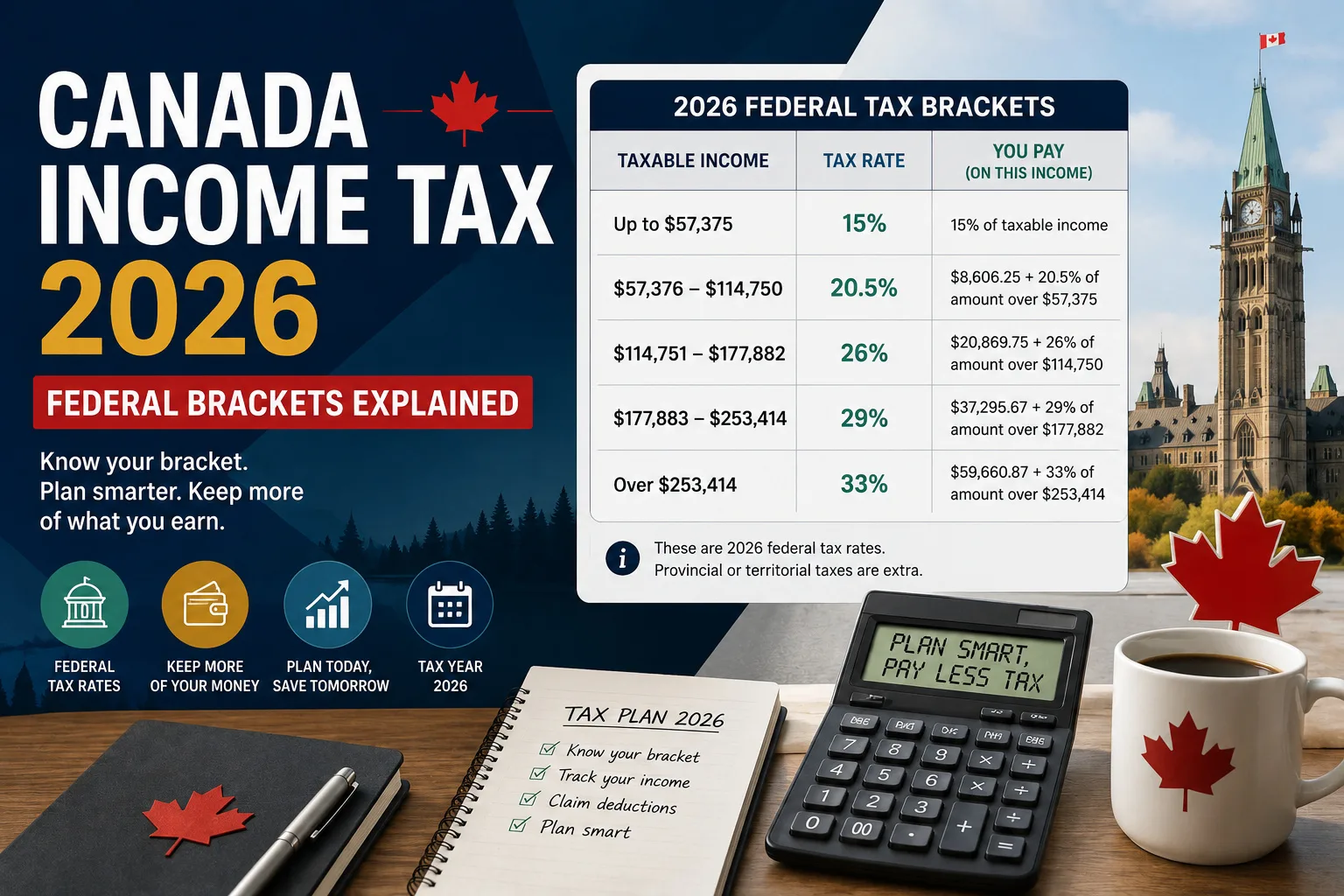
Canada Income Tax 2026: Federal Brackets Explained
Canada's 2026 federal income tax brackets, from 14% to 33%, with the basic-rate cut and a worked example. Provincial tax is separate.

What Is Loan-to-Value (LTV) and Why It Decides Your Mortgage Rate
LTV is one of the first numbers a mortgage lender calculates — and it can move your interest rate and whether you need extra insurance. Here is how it works.

Crypto Capital Gains Tax Explained: What Every Beginner Should Know
How crypto gains are generally taxed: taxable events, cost basis, short vs long-term treatment concepts — plain language, not tax advice.
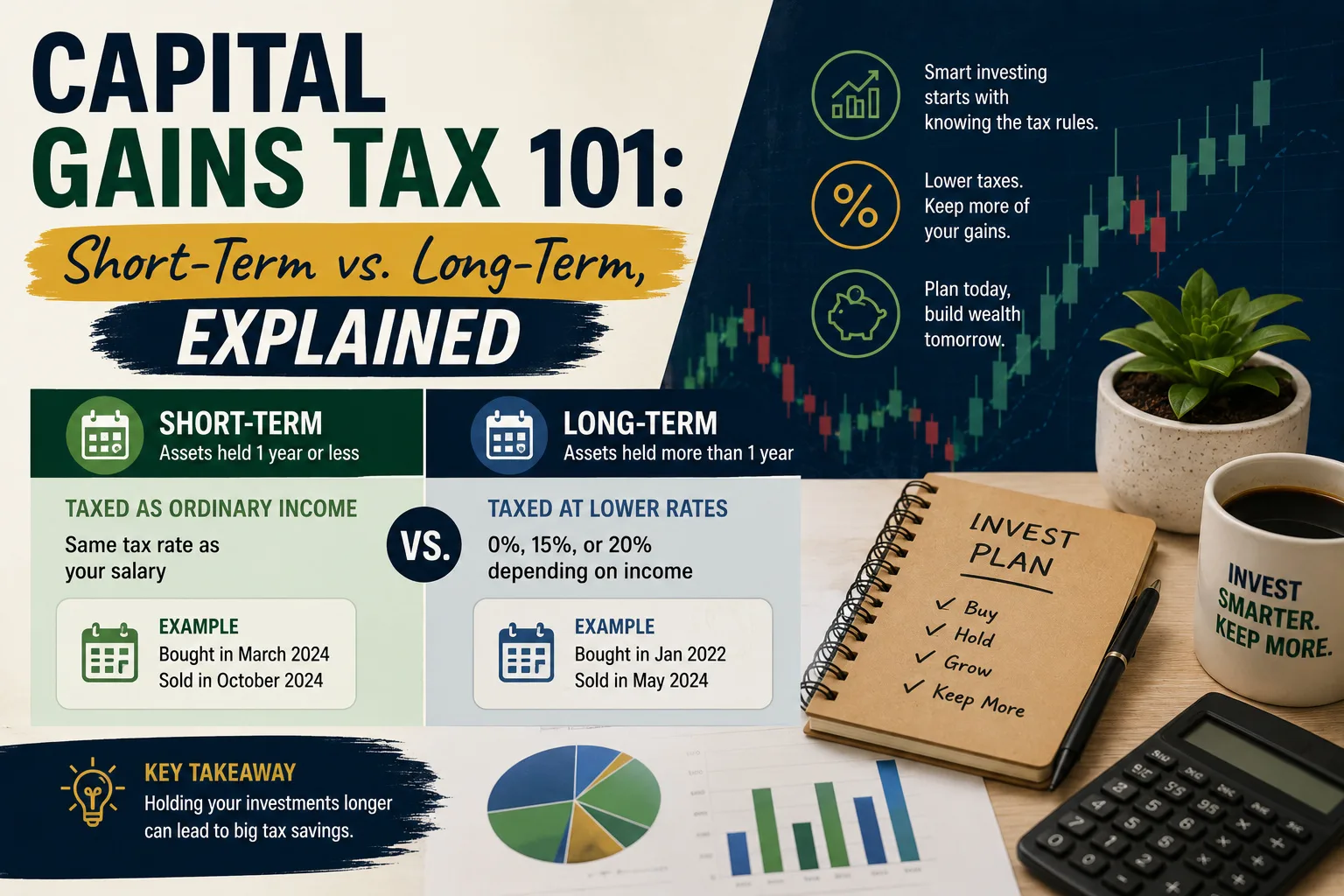
Capital Gains Tax 101: Short-Term vs. Long-Term, Explained
How long you hold an investment before selling can change the tax rate on the profit significantly. Here is why that distinction exists and how to think about it.

Is Buy Now Pay Later Worth It? The Real Cost of Pay-in-4
How Pay-in-4 works, real late-fee numbers from Afterpay and Klarna, 2025-2026 credit bureau reporting changes, and when BNPL is risky.

How Exchange Rates Actually Work (And Why They Change Daily)
Spot rates, mid-market vs bank rates, why apps add a margin, and what actually moves currency prices day to day, with a worked example.

The Credit Card Minimum Payment Trap: Why It Takes So Long, With Real Numbers
Paying only the minimum on a credit card feels manageable month to month — but the math behind it explains why balances can take years, or even decades, to clear.

Understanding Gratuity: What You're Actually Owed When You Leave a Job
Gratuity is a real, often significant benefit that gets overlooked until someone is actually leaving a job. Here is what it is, and what it commonly depends on.
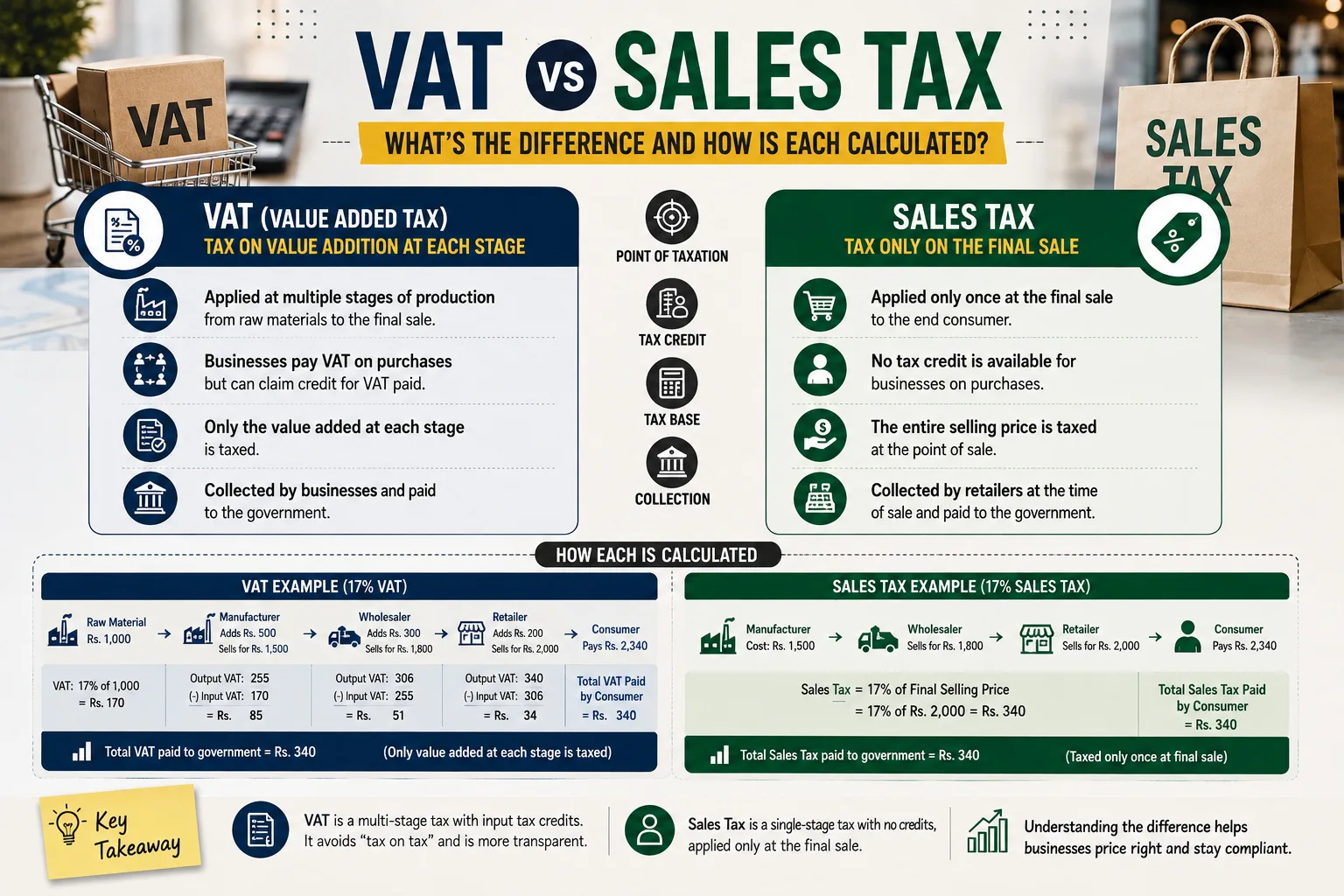
VAT vs Sales Tax: What's the Difference and How Is Each Calculated?
VAT and sales tax both add a percentage to prices — but they work differently. How each is calculated, who really pays, and Pakistan's GST explained.
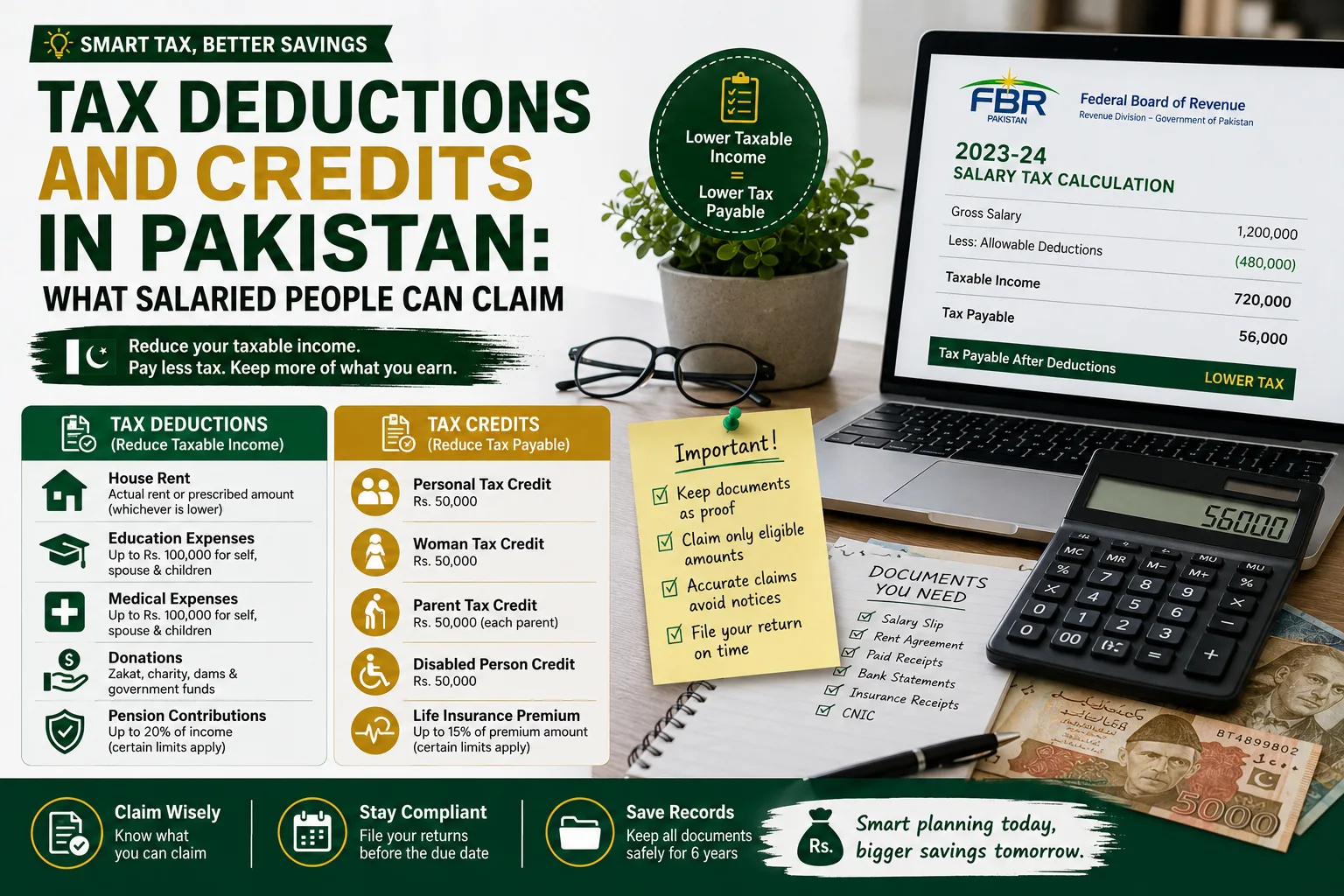
Tax Deductions and Credits in Pakistan: What Salaried People Can Claim
What salaried Pakistanis can legally claim to reduce income tax: provident fund, medical allowance, donation credits and zakat — with worked examples.

How to File Your Income Tax Return in Pakistan: A Beginner's Guide
Step-by-step guide to filing your Pakistani income tax return on FBR's IRIS portal: registration, documents, wealth statement, deadlines and filer benefits.
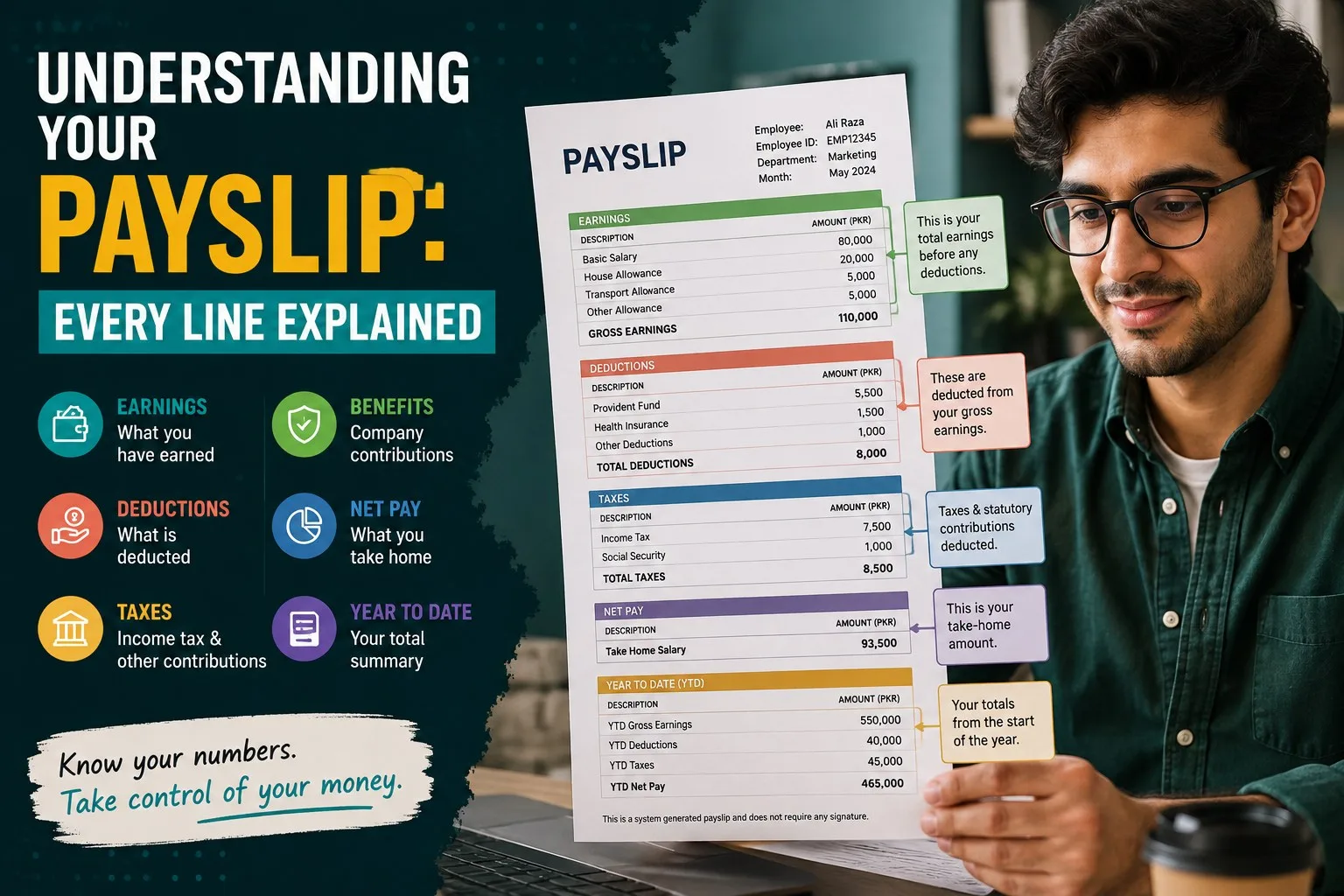
Understanding Your Payslip: Every Line Explained
Basic salary, allowances, provident fund, income tax, EOBI — what every line on a Pakistani payslip means and how to verify the deductions are right.

The 50/30/20 Budget Rule Explained with Rupee Examples
The 50/30/20 rule splits take-home pay into needs, wants and savings. How it works, a PKR 150,000 worked example, and honest adjustments for Pakistan.

Emergency Funds: How Much You Need and How to Build One
How many months of expenses you need, where to keep the money, and a month-by-month plan to build an emergency fund on a Pakistani salary.

Freelancing in Pakistan: Pricing Your Work and Getting Paid
A practical money guide for Pakistani freelancers: setting rates, invoicing, receiving foreign payments, smoothing irregular income and handling taxes.

Buying Gold in Pakistan: Tola, Grams and Smart Purchases
Tola vs gram, karats, making charges, buying vs investing, and zakat on gold — a practical guide to gold purchases in Pakistan with worked examples.
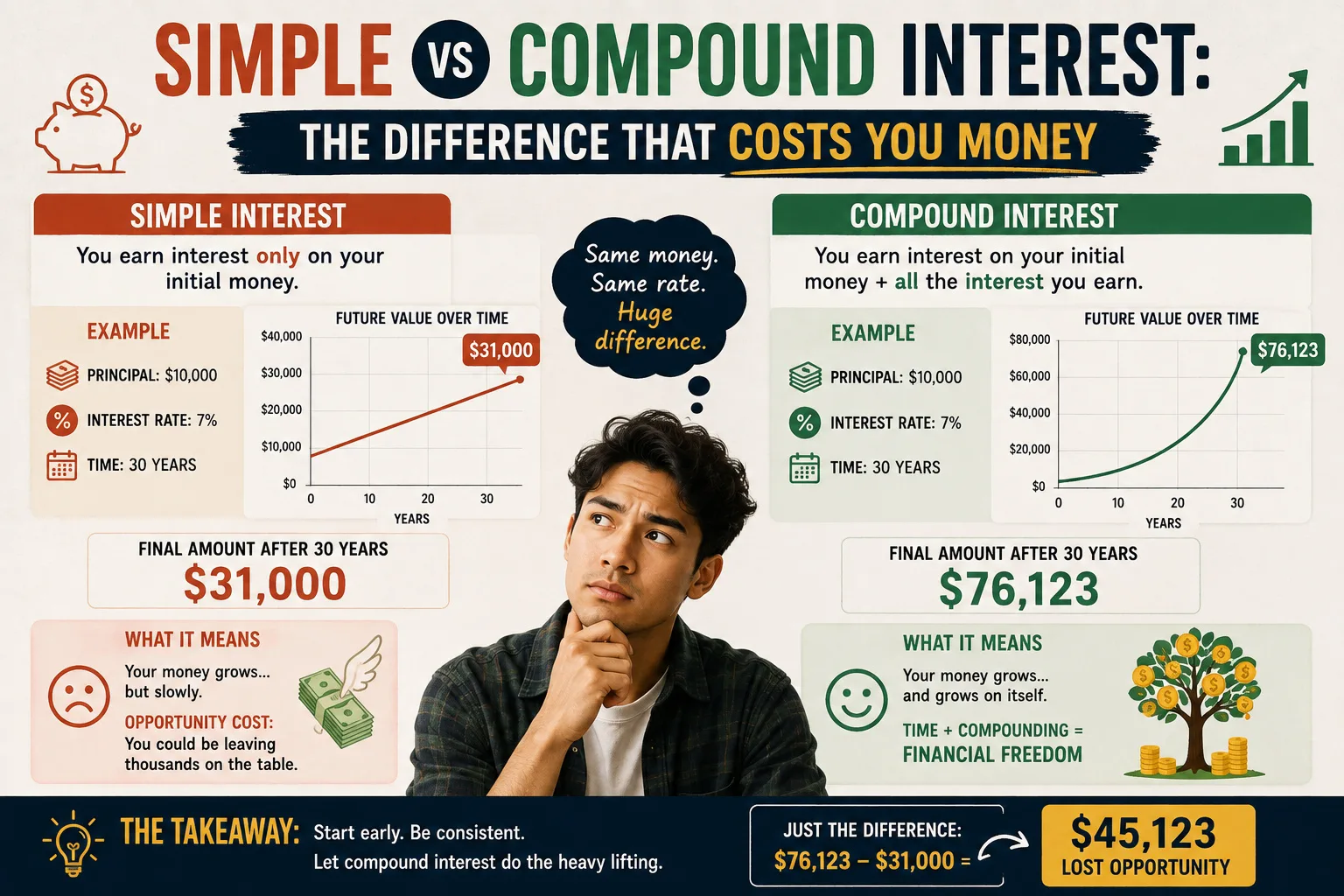
Simple vs Compound Interest: The Difference That Costs You Money
Simple interest charges on the principal; compound charges on interest too. Worked PKR comparisons, the flat-rate loan trap, and which applies where.

Saving for a Goal: A Practical Month-by-Month Plan
Turn any target — car, wedding, house deposit — into a monthly plan: the math, where to park the money by timeline, and how to stay on track.

How to Set Your Hourly Rate as a Freelancer
A step-by-step formula for pricing freelance work: target income, billable hours, overheads and profit — with PKR worked examples and rate-raising tactics.

Sale Season Math: How Discounts Really Work (and How to Win)
Stacked discounts, inflated 'was' prices, per-unit tricks and BOGO deals decoded — the arithmetic that turns sale season in your favour.

Profit Margin for Small Businesses: Price Right, Earn More
Gross vs net margin, margin vs markup, how to price products that survive discounts and costs — a practical guide with PKR examples for small businesses.

Calorie Deficit: The Only Weight-Loss Math That Matters
Weight loss runs on one equation: eat below your TDEE. What a calorie deficit is, how big to make it, worked examples with desi food, and common traps.

BMR vs TDEE: How Many Calories Do You Actually Burn?
BMR is what your body burns at rest; TDEE adds activity. How each is calculated, why the difference matters for any diet, and worked examples.

What Is Your Ideal Weight? What the Formulas Really Say
Devine, Hamwi, Robinson and BMI ranges give different 'ideal weights'. Where the formulas came from, what they miss, and what to aim for instead.

How Pregnancy Due Dates Are Calculated: Naegele's Rule Explained
Why doctors add 280 days to the last period, how cycle length shifts the estimate, what ultrasound dating changes, and what 'due date' really promises.

Strong Passwords and Online Safety: A Practical Guide
How passwords actually get stolen, what makes one strong, password managers, two-factor authentication and phishing defence — a practical safety guide.

QR Codes for Small Businesses: Ten Practical Uses
Menus, payments, reviews, WhatsApp catalogues, warranty cards — ten proven QR code uses for small businesses, plus sizing and printing rules that work.

Image Optimization: Make Your Website and Uploads Faster
Why images are the #1 cause of slow pages, how resizing and compression shrink files 90%, choosing PNG/JPG/WebP, and a practical optimization workflow.
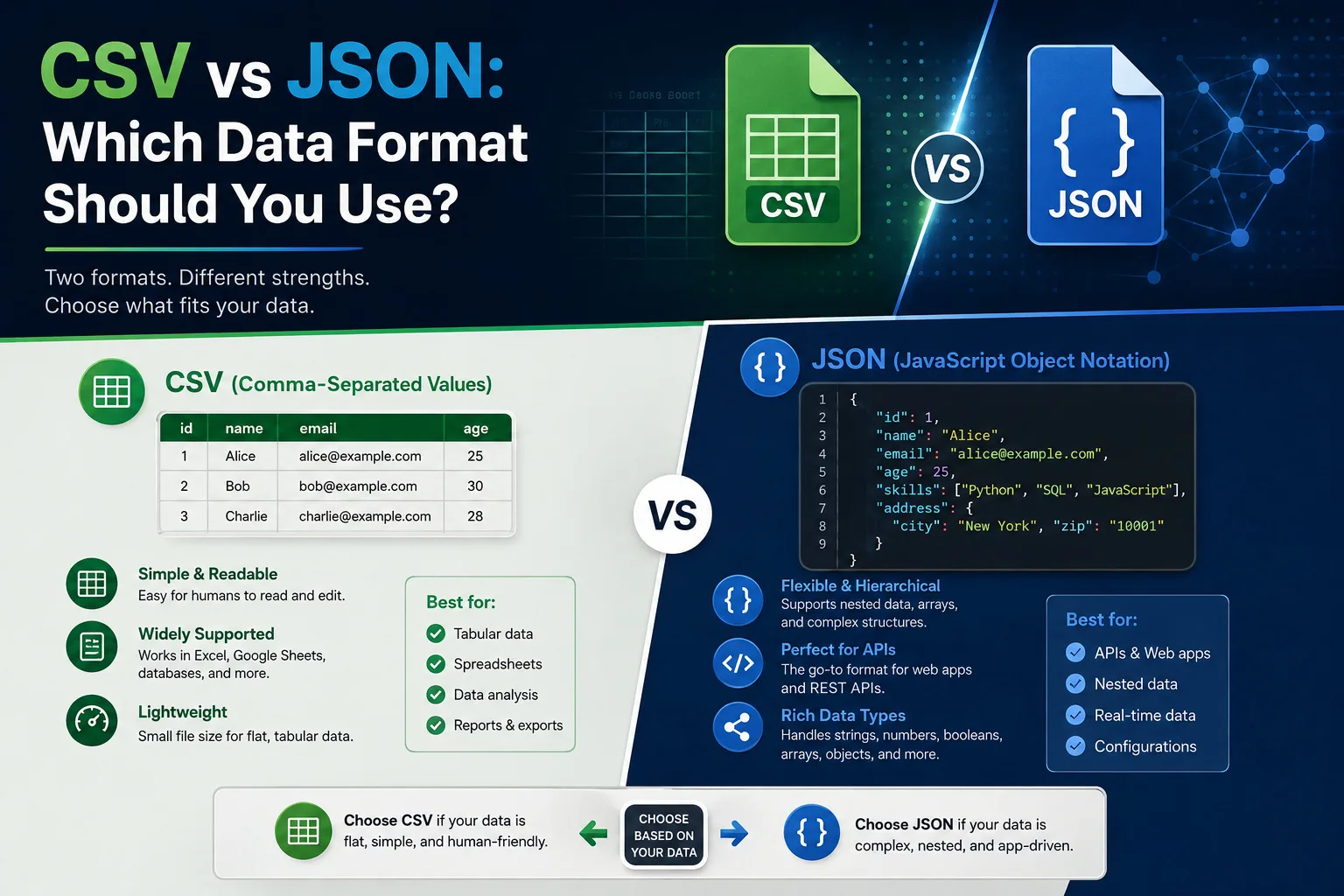
CSV vs JSON: Which Data Format Should You Use?
CSV is the spreadsheet world's format; JSON is the API world's. Strengths, weaknesses, gotchas (Excel dates, quoting), and how to convert between them.
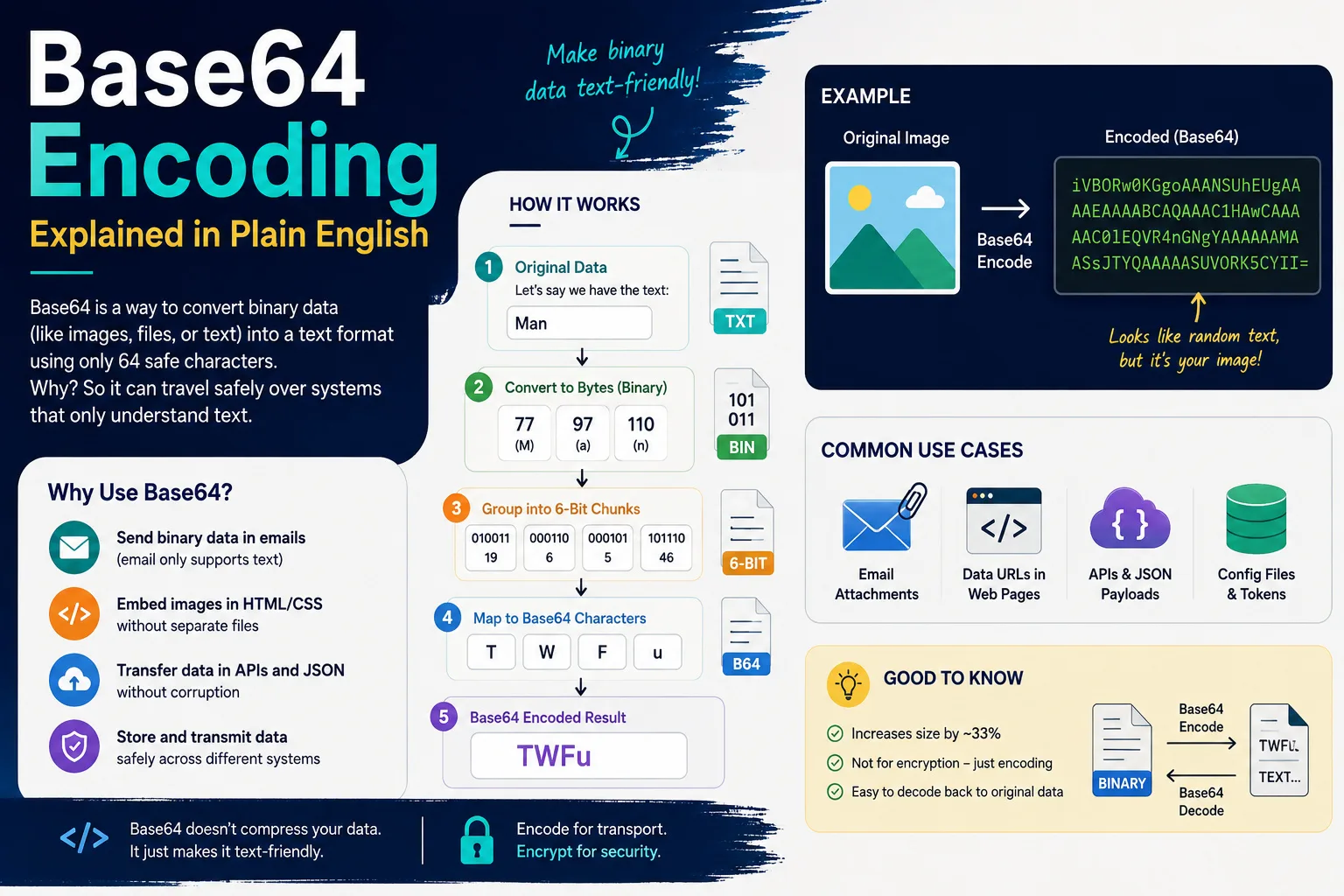
Base64 Encoding Explained in Plain English
What Base64 is, why it exists, how 3 bytes become 4 characters, where you meet it (data URLs, JWTs, email) — and why it is not encryption.

Marla, Kanal and Tola: Pakistan's Land and Gold Units Explained
How big is a marla? How many grams in a tola? Pakistan's land and gold units explained with conversion tables, regional variations and worked examples.

How Much House Can You Actually Afford?
Lenders qualify you for a certain mortgage amount using a debt-to-income formula — but the maximum they will lend and what you can comfortably afford are not the same number.
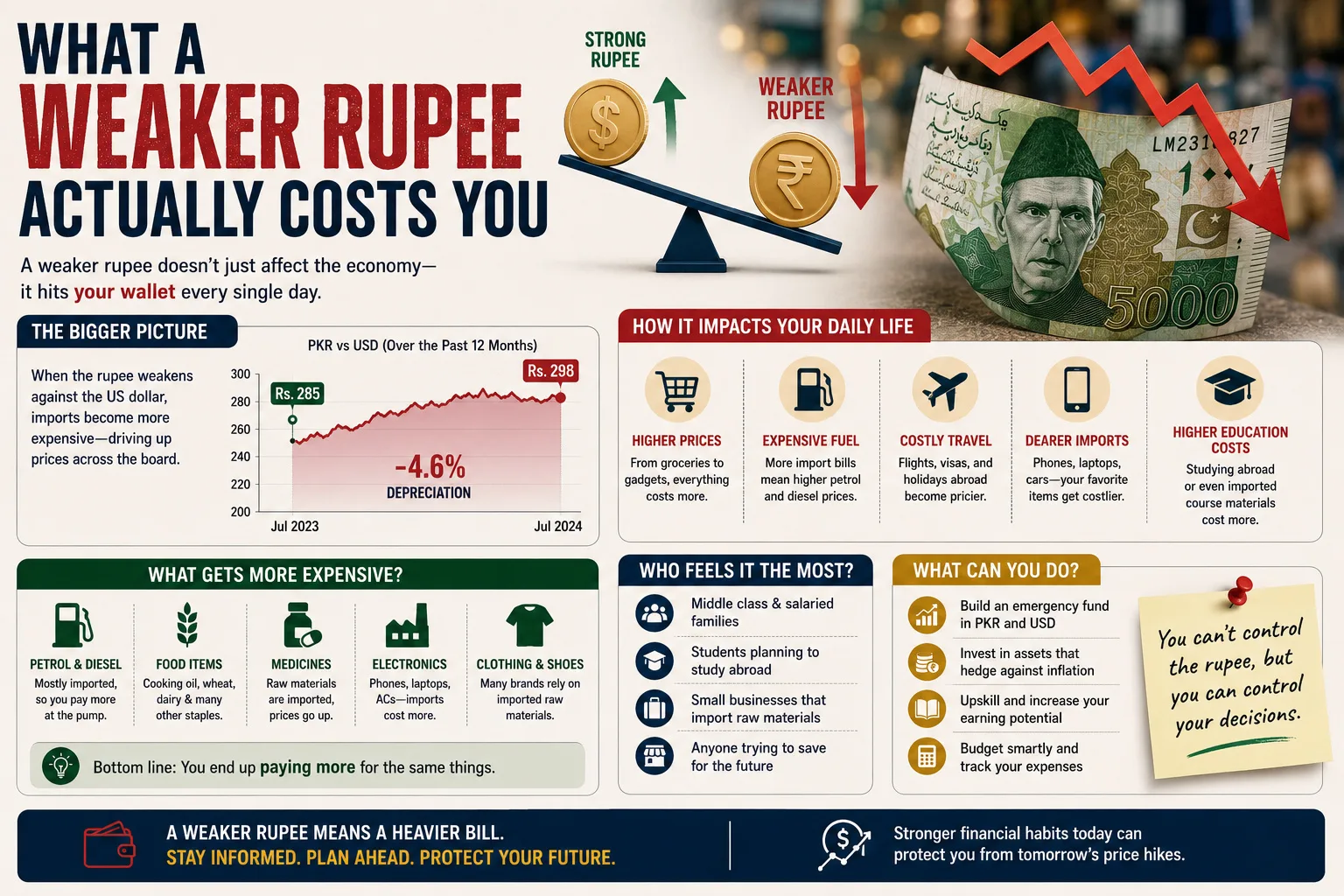
What a Weaker Rupee Actually Costs You
Currency depreciation gets reported as a percentage, which makes it easy to ignore. Translated into real costs on fuel, electronics and imports, it is not abstract at all.
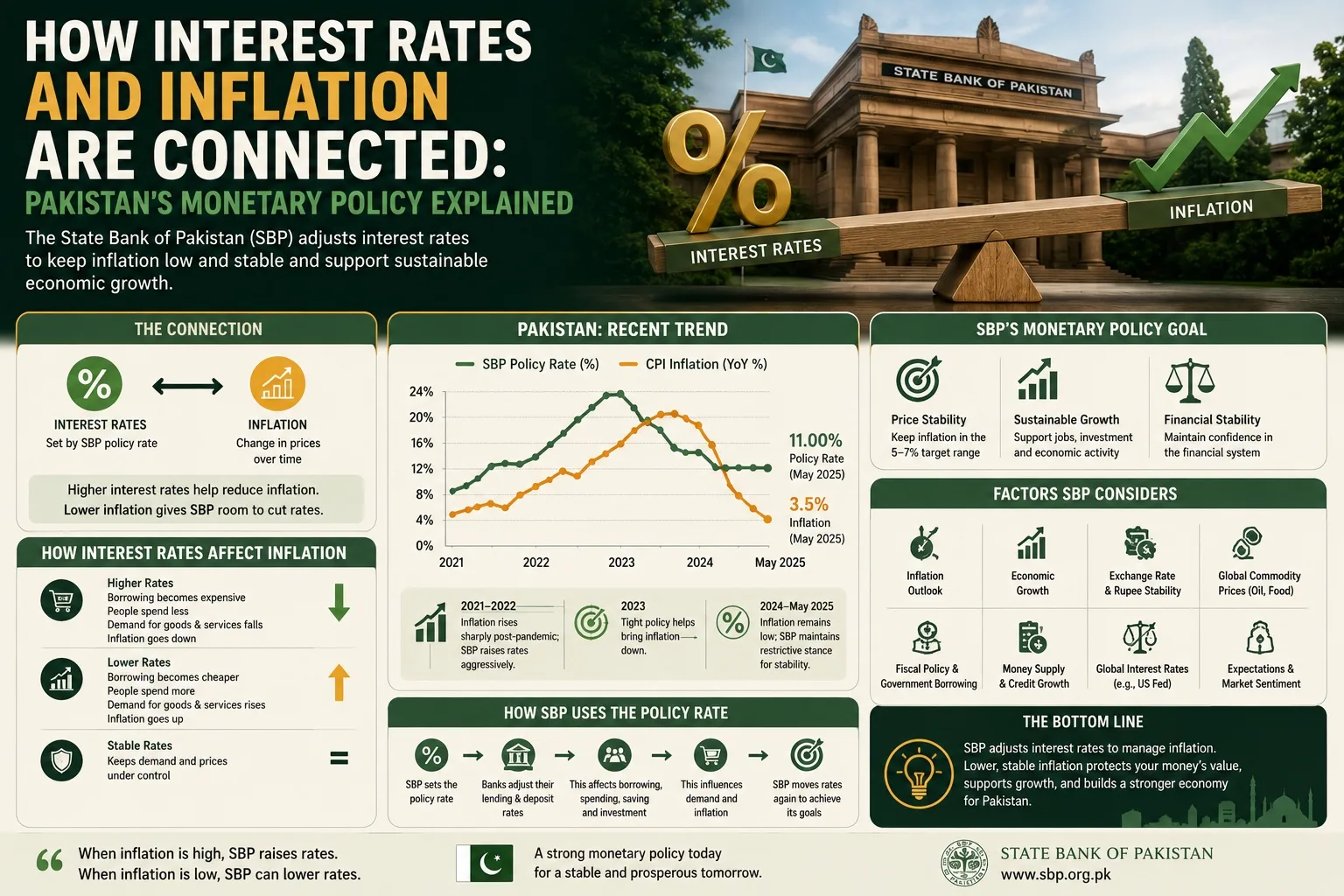
How Interest Rates and Inflation Are Connected: Pakistan's Monetary Policy Explained
When inflation rises, interest rates usually follow — but why? Here is the actual mechanism connecting the SBP's policy rate to the prices you pay.
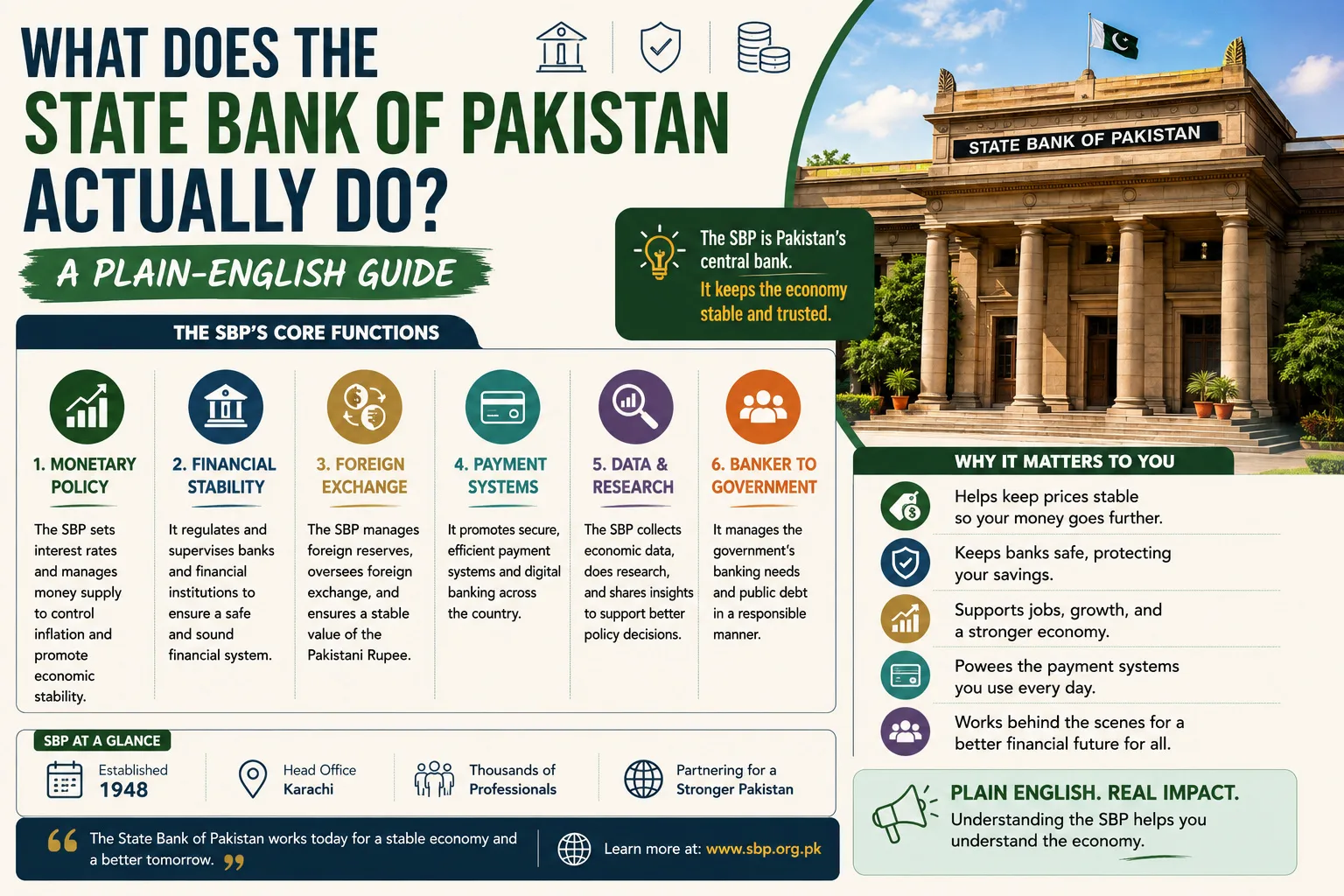
What Does the State Bank of Pakistan Actually Do? A Plain-English Guide
The SBP sets interest rates, manages the currency, and regulates banks — but what does that actually mean in practice, and how does it affect your everyday money?
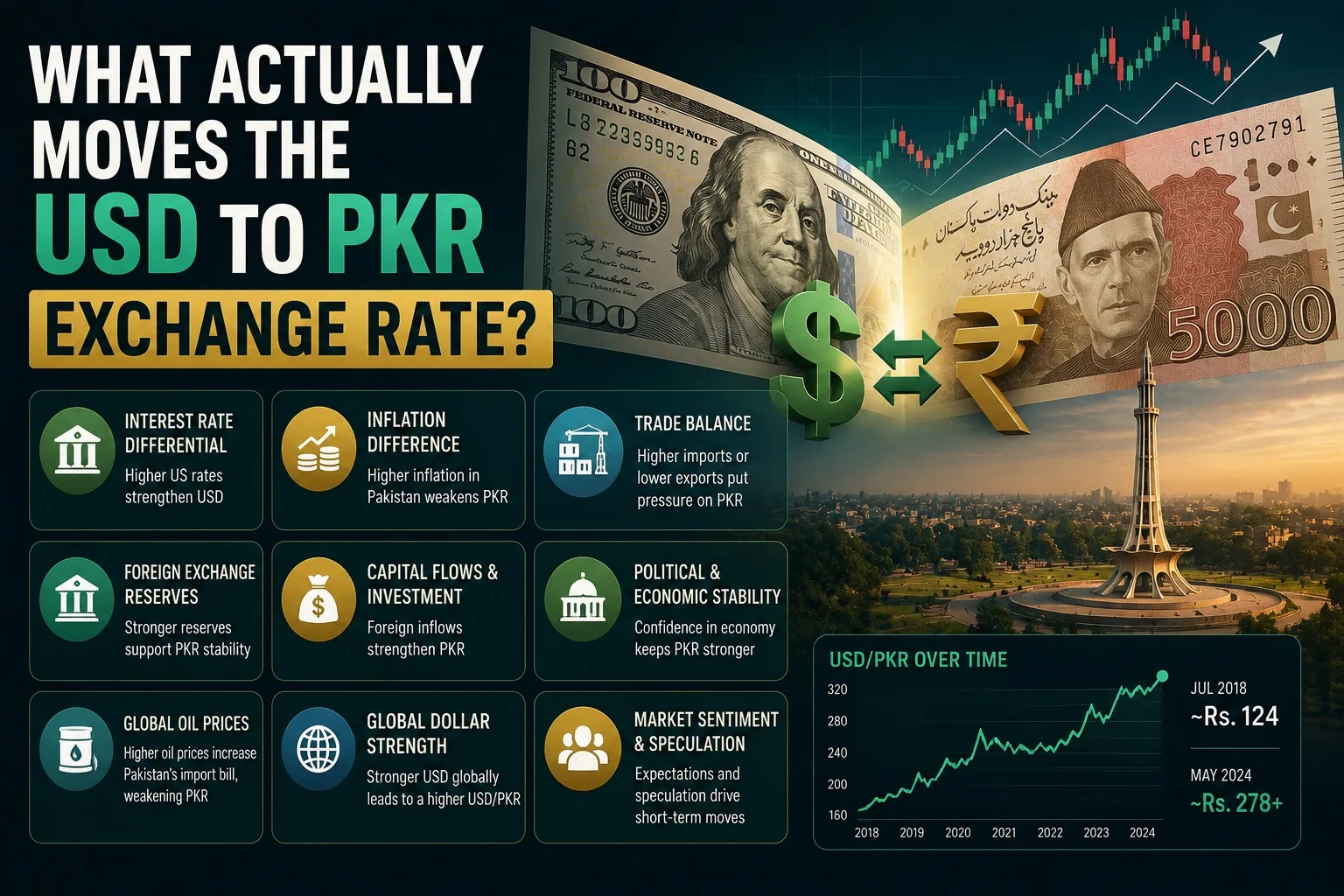
What Actually Moves the USD to PKR Exchange Rate?
The dollar to rupee rate changes every day — here are the actual forces behind it: remittances, imports, SBP reserves, and interest rate differentials.

The Fairest Way to Split a Group Bill When Everyone Paid Different Amounts
When one person covers dinner and another covers the cab, "just split it evenly" gets complicated fast. Here is the actual math behind fair settlement.

Rent or Buy? How to Actually Run the Numbers
The rent-vs-buy decision usually comes down to gut feeling. Run the actual math — mortgage costs, appreciation, rising rent — and the picture often looks different.

Zakat al-Fitr vs. Zakat al-Mal: What's the Difference?
Both are called "zakat," but they work completely differently — one is a fixed amount per person around Eid, the other a percentage of wealth calculated annually.

How to Actually Calculate (and Negotiate) Your Salary Raise
A stated raise percentage does not always mean what it sounds like. Here is how to calculate it properly, and use the number in a negotiation.

What Is a Good Debt-to-Income Ratio? A Practical Guide
Lenders use debt-to-income ratio to decide how much more credit you can handle. Here is what the number actually means and how to improve it.
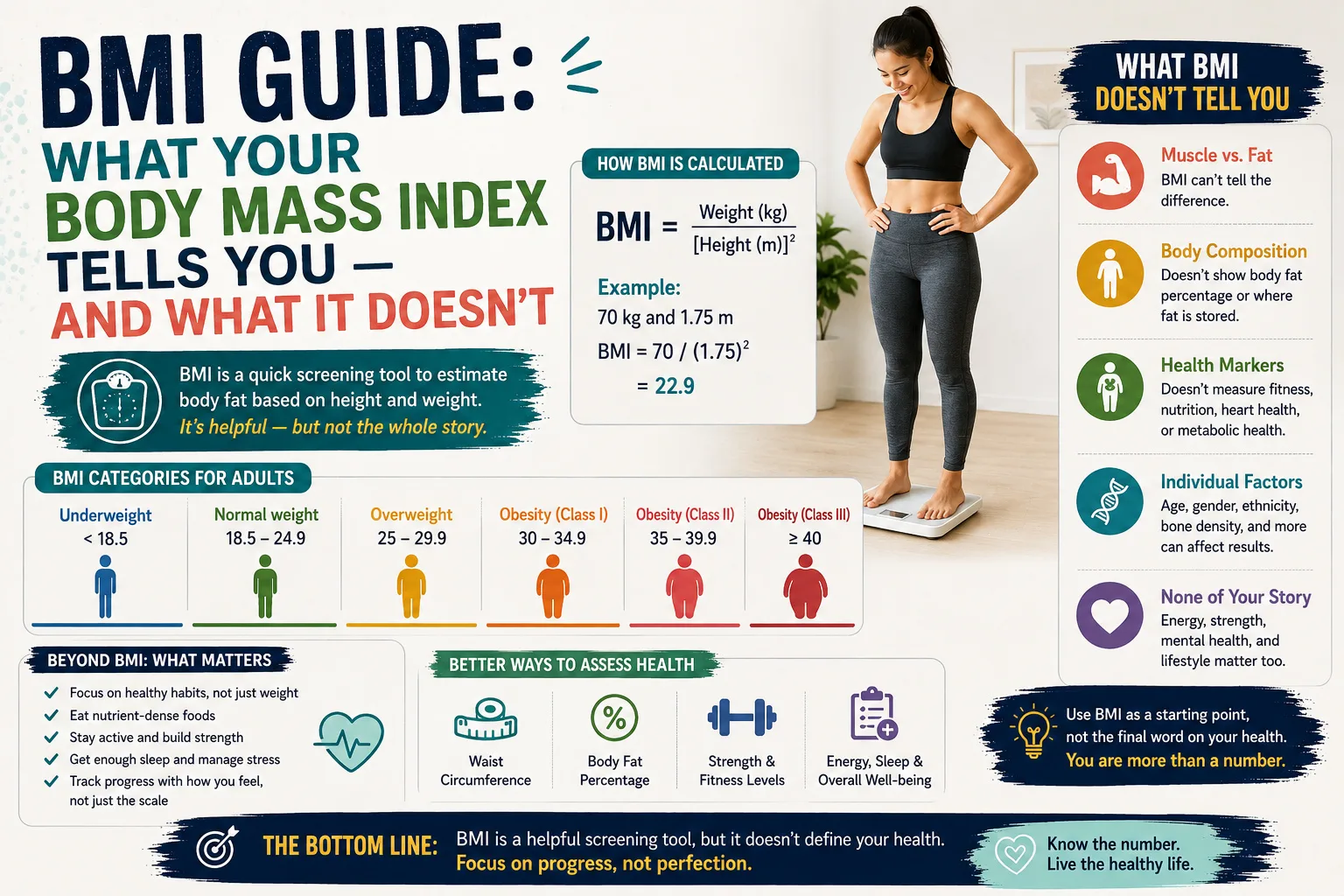
BMI Guide: What Your Body Mass Index Tells You — and What It Doesn't
What BMI really measures, the WHO categories, South Asian cut-offs, where BMI misleads, and better companion measures — plus a free BMI calculator.

The Rule of 72: The Quickest Way to Estimate When Your Money Doubles
Divide 72 by your return rate and you have a surprisingly accurate estimate of how many years it takes money to double — no calculator app required.

Pakistan Income Tax 2026-27 Explained: Slabs, Examples and Take-Home Salary
Pakistan's FY 2026-27 salary tax slabs explained with worked examples: how marginal slabs work, monthly tax at common salaries, and your real take-home pay.

How to Make a Professional Invoice for Free
Everything a professional invoice needs, common mistakes that delay payment, numbering and follow-up tips — plus a free in-browser invoice generator.

The Power of Compound Interest: Why Starting Early Matters
Why starting to save at 25 beats saving twice as much at 35 — compound interest explained with PKR tables, the Rule of 72, and a free calculator.
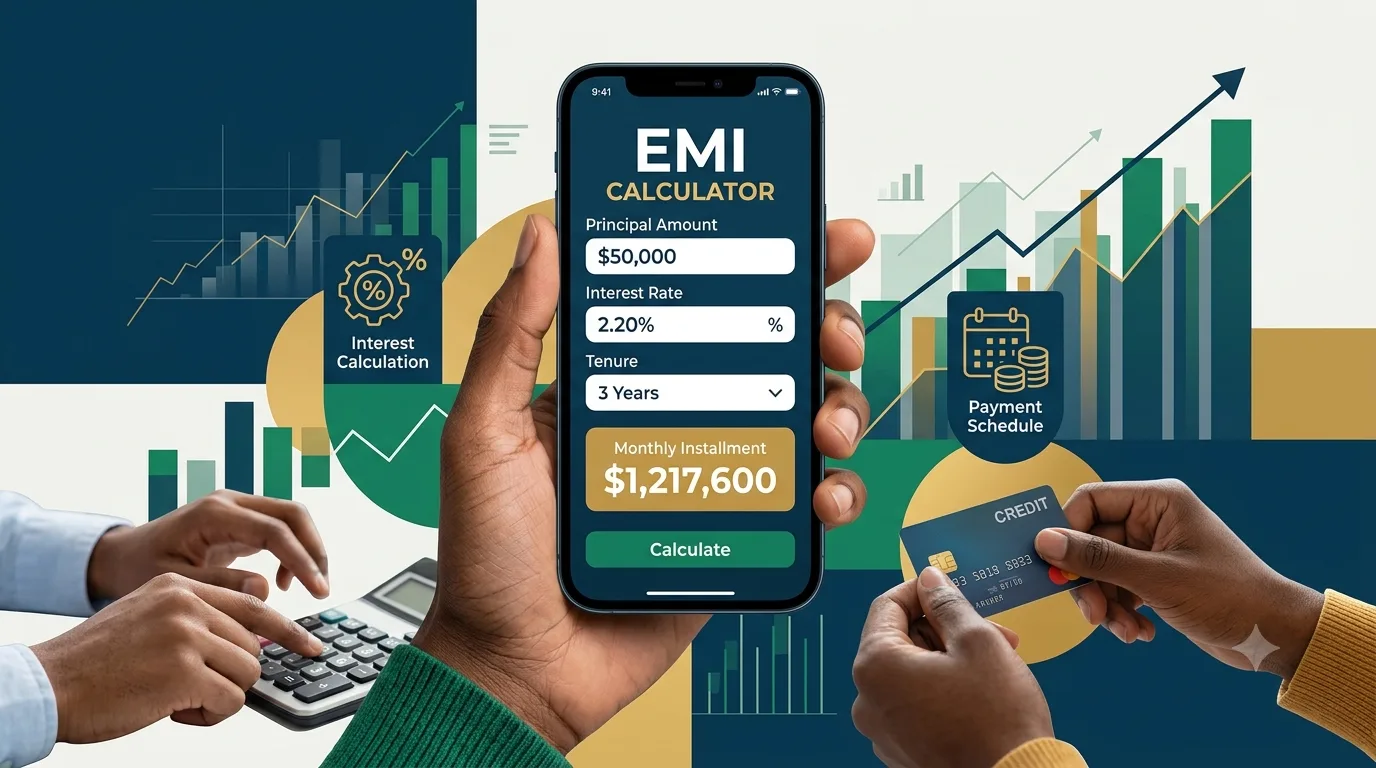
EMI Explained: How Banks Calculate Your Monthly Installment
What an EMI is, the exact formula banks use, a step-by-step PKR example, and how tenure and rate change your total interest. Includes a free calculator.

How to Calculate Zakat: A Step-by-Step Guide with a Worked Example
Learn how to calculate zakat on cash, gold, silver and business assets, step by step, with nisab thresholds and a complete worked example in PKR.