 Genzee
UAE's E-Invoicing Era Begins With a Voluntary Pilot
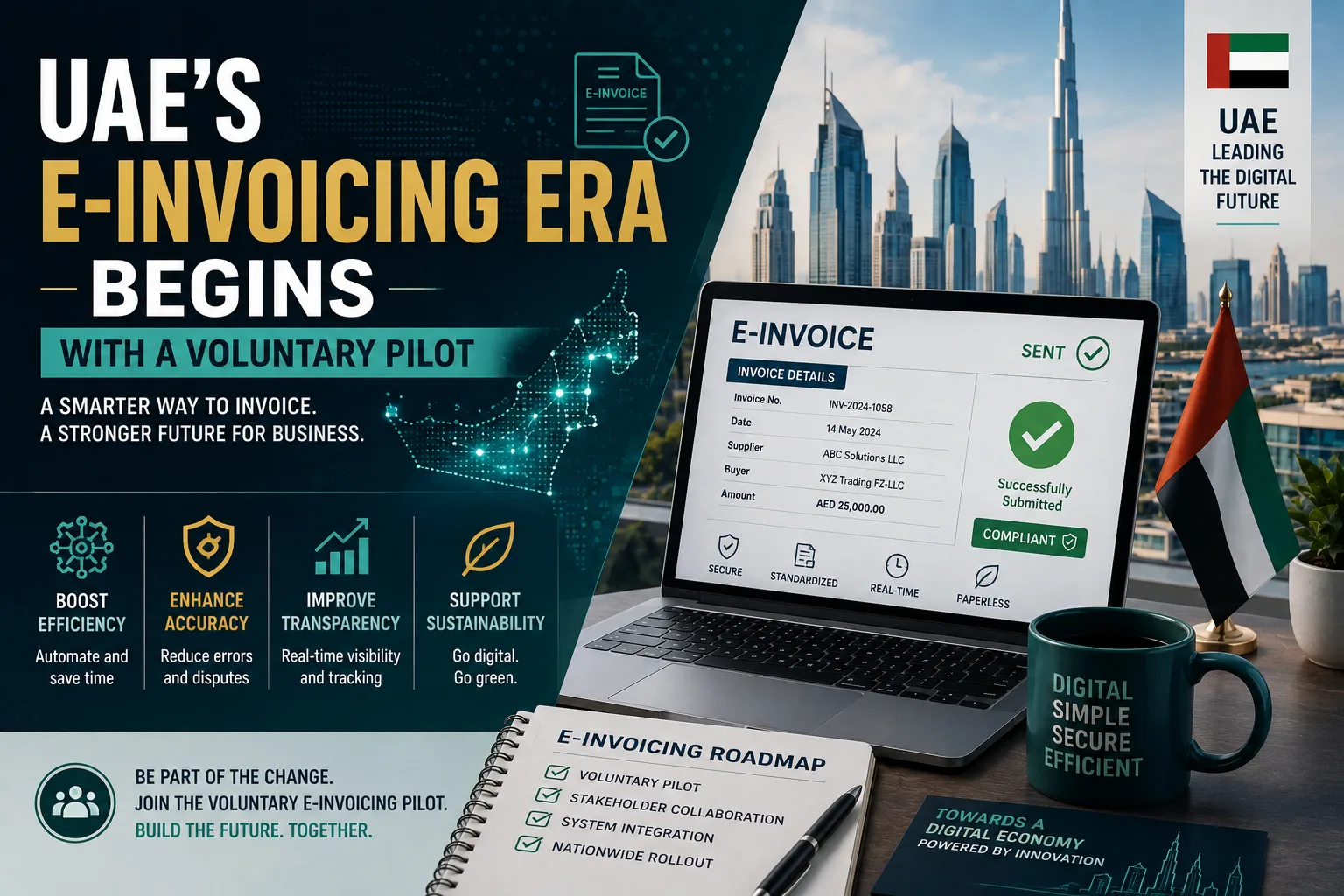
The UAE began the pilot phase of its new electronic invoicing system in July 2026, the first step toward a mandatory nationwide e-invoicing regime that will roll out in stages over the next two years.
How the rollout is phased
As reported by Khaleej Times and Gulf News, the July 2026 pilot is voluntary, letting businesses test the system before mandatory adoption begins for companies with annual revenue of AED 50 million or more from January 2027, followed by smaller businesses in July 2027 and government entities in October 2027. The system is built on the internationally recognised Peppol framework, requiring invoices to be issued in a structured electronic format and transmitted through Federal Tax Authority-accredited service providers rather than sent as PDFs or paper.
Why it matters for freelancers and small businesses too
Even though the earliest mandatory deadline targets larger companies, the shift affects anyone who invoices UAE-based clients, since business partners further up the supply chain may start requesting structured e-invoices well before their own deadline hits. The Ministry of Finance has already published technical guidelines to help businesses prepare.
Get ahead of the shift by generating clean, structured invoices with our Invoice Generator, and check VAT on your invoices with the UAE VAT Calculator.
Note: This is a plain-language summary, not tax/financial advice. Rates and rules can change; verify your specific case with the relevant authority or a qualified professional. See our editorial policy for how we source and date these updates.
Source: Gulf News